
Intro
If you look at the power grid, it is basically a massive delivery system. However, receiving electricity from a power plant to your laptop charger involves numerous voltage changes along the way. Behind this seamless flow of power lies one critical piece of equipment: a transformer.
Transformers are the backbone of every modern electrical grid. They adjust the voltage up or down based on need, like sending power across states or lighting up homes nearby. Without transformers, modern power systems would be inefficient, unsafe, and unreliable. From renewable grids in India to urban utilities in the USA, selecting the right transformer plays a key role in reliable power delivery.
Within the grid, two major categories dominate: power transformers and distribution transformers. Energy demand is rising everywhere. Knowing how these transformers differ is critical for utilities, EPC firms, industrial users, and infrastructure developers.
Let us break down what sets them apart, where each fits in the grid, and how to choose the right one for your application.
What Is a Power Transformer?
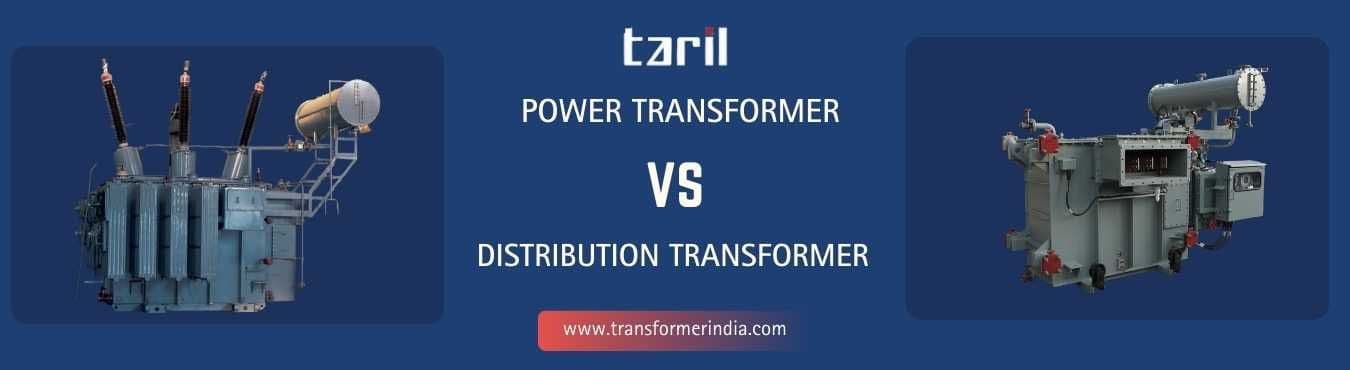
Think of a power transformer as the heavy lifter of the electrical network. These are huge, high-voltage beasts used in the transmission network. Its primary role is to handle high voltages and transfer large blocks of power efficiently between generation points and transmission substations. Since these units handle such huge amounts of energy, every reputable power transformer manufacturer designs them to be incredibly robust. They are not just bigger; they are engineered to handle extreme stress.
Where Power Transformers Are Used in the Grid
You will find power transformers at
- Power plants
- Grid interconnection and switching yards
- Transmission substations
These transformers are critical assets. They are the backbone that connects power plants to the grid. A failure can impact entire regions.
In countries like Australia and the USA, where transmission distances are vast, power transformers in Australia and other countries can meet strict technical and quality standards.
Design Focus: Capacity, Efficiency, and Load Profile
Here is the key engineering difference: Power transformers are designed to run at full capacity. They can handle high electrical and thermal stress. Since they typically operate under peak or continuous near-total loads, power transformer suppliers optimize these units for maximum efficiency at full capacity. They are designed to minimize energy losses, provide robust insulation, and deliver long service life.
What Is a Distribution Transformer?
A distribution transformer is the "last mile" delivery guy. It reduces the voltage from distribution networks to levels that are safe for homes and businesses. These transformers are produced in higher volumes and are widely deployed across cities, towns, and industrial zones. Utilities usually buy them from well-established distribution transformer manufacturers and reliable suppliers. Unlike the big transmission units, these workhorses operate 24/7, whether people are using power or not.
Where Distribution Transformers Are Installed
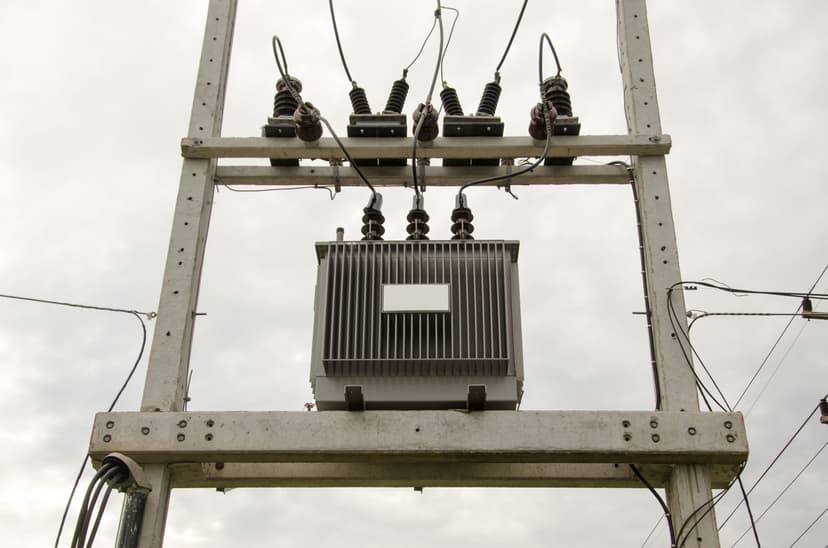
You see these everywhere. They are mounted on poles in residential streets, sitting on concrete pads in neighbourhoods, or tucked away near industrial feeders and local substations. Whether it is powering homes in suburban Sydney or factories in Gujarat, distribution transformer manufacturers design these units to be compact, reliable, and easy to maintain at scale.
Design Focus: Energy Efficiency, Reliability, and Continuous Operation
Unlike power transformers, distribution transformers experience fluctuating loads throughout the day. Electricity demand varies by time of day and shifts with seasonal usage patterns. Since transformers run all the time - even when demand is low - energy losses during standby operation add up over time.
Units like distribution transformers in Australia are often built to withstand extreme heat, UV exposure, and coastal salt air, while models for India might prioritize dust protection and monsoon resilience.
Power Transformer vs. Distribution Transformer: Core Technical Differences
| Feature | Power Transformer | Distribution Transformer |
|---|---|---|
| Voltage Levels | Very high voltage (66 kV and above) | Medium to low voltage (Up to 33 kV) |
| Power Rating | High MVA ratings | Lower kVA ratings |
| Load Pattern | Operates near full load; can be switched off during maintenance or low demand | Runs 24/7 continuously; load fluctuates heavily |
| Efficiency Focus | Peak efficiency at full load | High all-day efficiency |
| Loss Consideration | Copper loss is dominant | Core loss is more critical |
| Cooling Methods | ONAN, ONAF, OFAF | Mostly ONAN |
| Size and Weight | Large and heavy; requires special transport and installation | Compact and lighter |
| Installation Location | Transmission substations | Exposed to environment and public areas |
This table captures why these transformers are engineered differently and why they cannot be used interchangeably.
Use Cases: When to Use a Power Transformer
Power transformers are strictly for the transmission side of things. You use them when:
- Power Generation: Used to step up voltage at hydro, thermal, or nuclear plants for long-distance transmission.
- Grid Interconnection: Links different transmission and sub-transmission networks to move electricity across regional grids.
- Industrial Mega-Loads: Provides dedicated high-voltage feeds for large-scale facilities, like steel plants and data centres.
- Grid Stability: Supports voltage regulation and reactive power compensation to maintain a steady flow of electricity.
Grid expansion and renewable energy projects often rely on manufacturers of Power Transformers and globally certified solutions from trusted power transformer suppliers.
Use Cases: When to Use a Distribution Transformer
These are for the consumer side. You use them when:
- Renewable Energy Integration: Connecting wind and solar farms to local grids via step-up distribution transformers.
- Residential & Rural Electrification: Supplying reliable power to apartment blocks, housing colonies, and remote villages.
- Commercial Infrastructure: Powering high-demand zones such as shopping malls, office complexes, and retail parks.
- Industrial Estates: Supporting light manufacturing, workshops, and small-to-medium enterprise (SME) clusters.
These transformers form the backbone of everyday power delivery across cities and towns.
Things to Consider When Selecting a Transformer
Choosing the right transformer is not just about picking a catalogue number. It depends heavily on the location and what the grid needs.
Voltage Class and Power Rating
Start with the basics. What are your primary and secondary voltage levels? Estimate how much power is needed today and how much will be required over the next 10 years.
Standards Matter
If you are buying from transformer manufacturers in the USA, expect ANSI/IEEE standards. For India, Australia, Saudi Arabia, or the UAE, expect IEC 60076-based standards with local rules like BIS in India, AS/NZS in Australia, SASO/SEC in Saudi Arabia, and DEWA/ADNOC in the UAE.
Load Pattern and Usage:
Consider how the transformer will operate. Will it run at a steady load most of the time, or will demand fluctuate each day? This affects how the transformer should be designed to manage energy losses efficiently.
Geography & Climate:
- Australia: Utilities here often opt for specialized Power transformers in Australia solutions that can handle extreme heat and bushfire risks.
- Middle East: You need transformers that can tolerate 50°C or more ambient temperatures without overheating.
- USA: There is a big push right now for Transformer manufacturers in the USA to provide units that are compatible with ageing grid infrastructure.
Maintenance Access and Lifecycle Costs
Power transformers require periodic oil testing, bushing inspections, and tap changer maintenance. Distribution transformers are built to run reliably for many years, as they are used in large numbers. Utilities also plan for quick and easy replacement when needed.
Vendor Reliability & Support
Opt for suppliers with spare parts availability and strong after-sales support, as transformers are long-term assets designed to operate for decades.
Conclusion: Choosing the Right Transformer for the Right Application
Each transformer has a different job. Power transformers efficiently move electricity across the main grid. Distribution transformers are designed for reliable delivery with varying loads. Choosing the right transformer is a long-term decision that affects efficiency, reliability, and operating costs for decades.
Get in touch with our engineering team today to discuss your project requirements and explore customized transformer solutions built for performance, efficiency, and longevity.
FAQs
What is the main difference between a power transformer and a distribution transformer?
The main difference is where they are used in the power system. A power transformer is used in transmission networks to handle high voltage and large power. A distribution transformer is used near consumers to reduce voltage for safe daily use.
What are auxiliary transformers?
Auxiliary transformers are small step-down transformers used inside power plants and substations. They supply power to equipment like pumps, fans, lights, and control panels. These transformers help the plant or substation operate smoothly and do not supply power directly to the grid.
Where are power transformers used vs. distribution transformers?
Power transformers are installed in generation plants, transmission substations, and grid interconnection points to move bulk electricity over long distances. Distribution transformers are placed closer to users, like on poles in rural areas, pads in cities, or ground-mounted in industrial sites, for last-mile delivery to consumers.
Can a power transformer be used as a distribution transformer?
No, it is not practical. Power transformers are built for high-voltage, constant loads in transmission, while distribution ones handle fluctuating low-voltage needs. Using one for the other could cause inefficiency, overheating, or failure.
Can power transformers be used in renewable energy projects?
Yes. Power transformers are used in large solar and wind farms to step up voltage before feeding into the transmission grid.