
August 25, 2026
5:35 min read

Keeping transformer oil in good condition is essential for the safe and efficient operation of any transformer. Transformer oil testing helps identify moisture, contamination, overheating, and other developing issues before they lead to costly failures. In this blog, you'll learn the different types of oil tests, when they should be performed, and how regular testing improves reliability, performance, and transformer life.
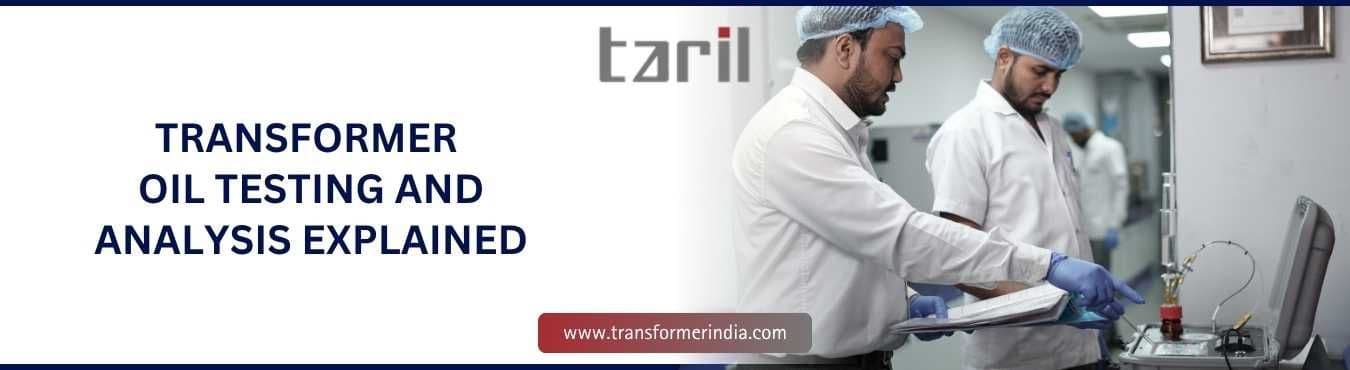
Transformer oil testing is one of the most important maintenance practices for ensuring the safety, efficiency, and longevity of transformers. By regularly analyzing transformer oil, industries can identify potential faults, prevent unexpected failures, and extend the service life of critical electrical equipment. Whether it's a distribution transformer, rectifier transformer, or other special transformers, routine oil testing helps maintain reliable performance and minimizes costly downtime.
Transformer oil is a highly refined insulating oil used in transformers to perform two critical functions:
The oil acts as both an insulator and a coolant, helping transformers operate safely under varying load conditions. Over time, however, transformer oil can deteriorate due to factors such as heat, moisture, oxidation, and contamination.
When oil quality declines, the transformer becomes more vulnerable to electrical faults, overheating, and insulation breakdown. This is why regular testing is recommended by every reputable transformer manufacturer as part of a comprehensive maintenance strategy.
Transformer oil testing is the process of collecting and analyzing oil samples to assess the condition of both the oil and the transformer itself.
The results provide valuable insights into:
By identifying issues early, organizations can take corrective action before minor problems escalate into major equipment failures.
Many transformer manufacturing companies recommend periodic oil testing to maximize transformer efficiency and reduce lifecycle costs.
Transformer oil analysis involves a series of laboratory tests designed to evaluate different properties of the oil.
Physical tests examine the condition and appearance of the oil.
These tests typically measure:
Changes in these characteristics may indicate contamination or oil degradation.
Chemical analysis helps determine whether the oil is still capable of providing effective insulation.
Common tests include:
High acidity levels or excessive moisture can significantly reduce transformer performance and accelerate insulation aging.
Electrical tests evaluate the insulating strength of transformer oil.
One of the most important tests is:
Breakdown Voltage Test
This test measures the voltage level at which the oil loses its insulating properties and allows electrical discharge.
A low breakdown voltage often indicates contamination from water, particles, or deteriorated insulation materials.
Among all transformer oil tests, Dissolved Gas Analysis (DGA) is considered one of the most valuable diagnostic tools.
When a transformer develops an internal fault, it generates gases that dissolve into the oil. By identifying and measuring these gases, engineers can detect developing problems before they become critical.
DGA can help identify:
This predictive maintenance approach is widely used for power transformers, distribution transformer units, and industrial rectifier transformer applications.
Regular oil testing offers several operational and financial benefits.
Prevents Unexpected Failures
Early detection also reduces the risk of unplanned outages and costly emergency repairs.
Extends Transformer Life
Healthy oil helps preserve insulation systems, significantly increasing transformer lifespan.
Improves Safety
Faulty transformers can pose serious safety risks. Oil testing helps detect dangerous conditions before they escalate.
Reduces Maintenance Costs
Preventive maintenance is often far less expensive than emergency repairs or transformer replacement.
Enhances Operational Reliability
Organizations that conduct routine oil analysis experience fewer interruptions and greater equipment reliability.
These benefits explain why leading transformer manufacturing companies emphasize oil testing as a critical maintenance practice.
Virtually every oil-filled transformer benefits from routine testing.
A distribution transformer plays a vital role in delivering electricity from the power grid to commercial, industrial, and residential users. Regular oil analysis helps ensure uninterrupted power delivery and reliable performance.
A rectifier transformer is often used in applications requiring AC-to-DC conversion, such as electroplating facilities, railway systems, and industrial processes. Oil testing helps maintain efficiency and detect thermal stress caused by demanding operating conditions.
Many industries rely on special transformers designed for unique operating environments and customized applications. Since these transformers often perform mission-critical functions, oil analysis is essential for maintaining reliability and preventing unexpected failures.
Testing frequency depends on factors such as transformer size, age, operating conditions, and criticality.
General recommendations include:
A trusted transformer manufacturer like TARIL can help determine the most suitable testing schedule based on specific operational requirements.
Transformer oil testing is most effective when combined with regular monitoring and maintenance practices. By combining oil testing with advanced monitoring technologies, businesses can gain deeper insights into equipment health and performance.
Professional testing programs help organizations:
For industries where power reliability is essential, transformer oil analysis remains one of the most effective tools for proactive maintenance.
Transformer oil testing is far more than a routine maintenance task—it is a proactive strategy for protecting valuable electrical assets. Regular analysis helps detect developing issues, improve operational efficiency, and extend the lifespan of transformers.
Looking to maximize transformer performance and reliability? Partner with TARIL for expertly engineered transformer solutions and professional support designed to keep your operations running efficiently.
What is the primary purpose of transformer oil?
Transformer oil provides electrical insulation and cooling, helping transformers operate safely and efficiently.
Why is transformer oil testing necessary?
Oil testing identifies contamination, moisture, overheating, and insulation degradation before they lead to equipment failure.
How often should a distribution transformer undergo oil testing?
Most distribution transformer units should be tested annually, although critical applications may require more frequent monitoring.
Can transformer oil analysis detect internal faults?
Yes. Techniques such as Dissolved Gas Analysis can identify overheating, arcing, partial discharge, and insulation breakdown.
Are oil testing requirements different for a rectifier transformer?
While the testing principles remain similar, a rectifier transformer may require closer monitoring due to higher thermal and electrical stresses.
Do special transformers require oil analysis?
Yes. Since special transformers are often designed for demanding applications, routine oil testing helps maintain performance and reliability.