August 25, 2026
5:35 min read

A distribution transformer can face issues like overheating, overloading, and insulation failure over time. This blog explains the most common transformer problems, what causes them, and how to prevent them with proper maintenance and reliable transformer solutions.
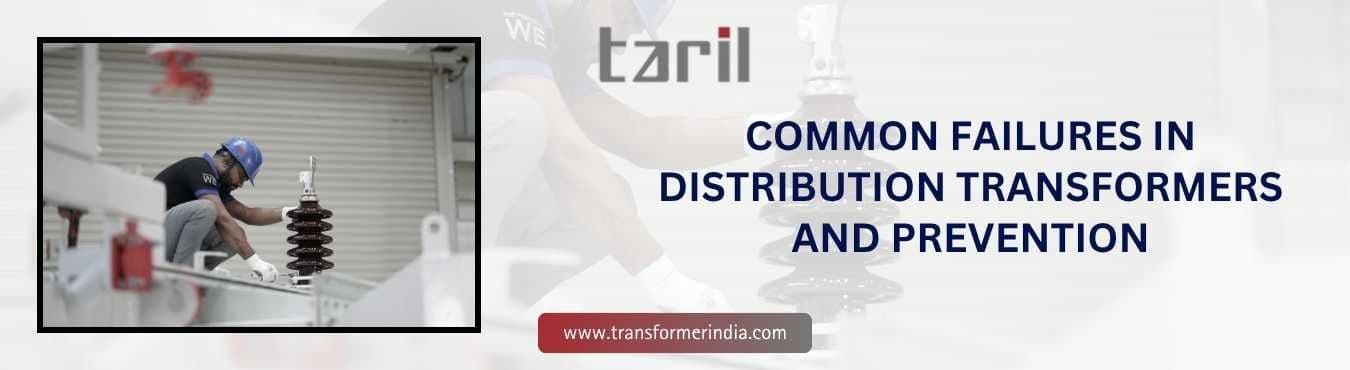
A distribution transformer is one of the most important parts of any power distribution system, but issues like overloading, overheating, insulation failure, and poor maintenance can affect its performance over time. If not addressed early, these problems can lead to unexpected downtime, expensive repairs, and reduced equipment life. In the below paragraphs, we’ll look at some of the most common transformer failures, what causes them, and the practical steps businesses can take to prevent them. We’ll also explore how choosing experienced distribution transformer manufacturers and reliable transformer solutions can make a significant difference in long-term operational reliability.
Transformers usually do not fail suddenly. In most cases, problems develop gradually over time due to factors such as operational stress, aging components, overheating, or environmental conditions.
Some of the most common causes include:
Regardless of whether you have an Oil-filled transformer or a Dry-type transformer, knowing these factors could help avoid expensive equipment failures.
One of the major causes for transformer failure is overloading.
When a transformer operates beyond its rated capacity for prolonged periods, it generates excessive heat. This heat can make the insulation materials weak with time as well as degrade its internal components and also downgrade overall efficiency.
Signs of transformer overloading may include:
How can it be prevented?
Distribution transformer suppliers with expertise usually guide their customers in choosing transformer sizes based on practical requirements rather than temporary estimates.
Insulation in transformers is like a protective layer for the inner workings of transformers. When the insulation starts breaking down, chances of developing internal faults increase greatly.
This is particularly true in heavy-duty environments where transformers have to work continuously.
Common causes of insulation failure include:
Preventive measures include:
Insulators by good distribution transformer manufacturer companies are usually more advanced and have better thermal and operational performance.
In Oil-filled transformers, the insulating oil serves two purposes; it keeps the transformer cool and acts as an insulator.
Something as minor as even a small leak can compromise performance of the transformer.
Problems caused by oil leakage include:
How can operators prevent this?
Preventive maintenance is particularly important for transformers operating in harsh climates or heavy industrial environments.
Dry type transformers are very popular indoors and in fire-prone settings as there is no need for insulating oil inside the device. Dry-type transformers are commonly used in commercial establishments, hospitals, and renewable energy plants.
As compared to Oil-filled transformers, Dry-type transformers are generally considered safer for indoor use due to their lower fire risk and minimal oil leakage concerns. However, Oil-filled transformers are often preferred for heavy-duty and high-load applications because of their superior cooling efficiency and higher power handling capacity. The right choice usually depends on the installation environment, load requirements, and maintenance priorities.
Common issues in Dry-type transformers include:
Best practices for prevention:
You must get routine inspection and operational monitoring done for both Oil-filled transformers and Dry-type transformers. This is to make sure that your transformers stay up to mark even in the long haul.
The impact of the environment on transformers is frequently underestimated while installing them and operating them.
The presence of high levels of humidity, pollution, and other factors can contribute to faster wear and deterioration of transformer components.
This issue becomes especially important in highly developed industrial areas where there is constant pressure from loads in the electrical systems.
For instance, facilities using transformers New York are known to keep robust designs on priority which can hold out against the changing environmental and operational conditions.
Preventive measures include:
Transformer breakdowns are usually avoidable if maintenance is performed proactively rather than reactively.
An effectively maintained distribution transformer not only operates efficiently but also enjoys an extended lifespan with minimal interruptions.
An effective maintenance strategy should include:
Having reliable contacts among distribution transformer suppliers also guarantees easy availability of technical assistance, replacement parts, and ongoing services in the future.
The quality of transformer design and manufacturing directly affects operational reliability.
Trusted Transformer manufacturers USA focus on:
An optimally engineered transformer will have no problems with voltage and temperature variations as well as fluctuating loads.
Failure in transformers may be accompanied by expensive downtime, inefficient operations, and possible safety hazards. There are various reasons behind such occurrences ranging from overload to insulation failure and even environmental pressure. The importance of identifying and eliminating the underlying cause of the problem cannot be underestimated in any way.
As a company that has been providing excellent solutions when it comes to transformers for several years now, Transformers & Rectifiers (India) Limited is one of the best companies to consider when you need to find the most suitable transformer technology.
Looking for dependable transformer solutions for your operations? Connect with TARIL to explore high-performance transformers built for reliability, efficiency, and long-term performance.
What is the reason for most of the distribution transformer failure?
One of the most prominent causes for failure of distribution transformers is overloading, which leads to excess generation of heat as well as insulation decline.
How often should the inspection be done of transformers?
You should get routine inspection of the transformer done, depending on its operating conditions, load demands and manufacturer recommendations.
Are Oil-filled transformers better than Dry-type transformers?
Both transformer types have their own advantages, with Oil-filled transformers being more suitable for high-load outdoor applications, while Dry-type transformers highly preferred for indoor and fire-sensitive environments.
Why is insulation testing important in transformers?
Insulation testing helps detect early signs of deterioration and prevents internal electrical faults.
How do reliable distribution transformer manufacturers improve performance?
Experienced distribution transformer manufacturers use advanced materials, precision engineering, and rigorous testing processes to ensure long-term transformer reliability and efficiency.