
Intro
If you look at the power grid, it is basically a massive delivery system. However, receiving electricity from a power plant to your laptop charger involves numerous voltage changes along the way. Behind this seamless flow of power lies one critical piece of equipment: a transformer.
Transformers are the backbone of every modern electrical grid. They adjust the voltage up or down based on need, like sending power across states or lighting up homes nearby. Without transformers, modern power systems would be inefficient, unsafe, and unreliable. From renewable grids in India to urban utilities in the USA, selecting the right transformer plays a key role in reliable power delivery.
Within the grid, two major categories dominate: power transformers and distribution transformers. Energy demand is rising everywhere. Knowing how these transformers differ is critical for utilities, EPC firms, industrial users, and infrastructure developers.
Let us break down what sets them apart, where each fits in the grid, and how to choose the right one for your application.
What Is a Power Transformer?
Think of a power transformer as the heavy lifter of the electrical network. These are huge, high-voltage beasts used in the transmission network. Its primary role is to handle high voltages and transfer large blocks of power efficiently between generation points and transmission substations. Since these units handle such huge amounts of energy, every reputable power transformer manufacturer designs them to be incredibly robust. They are not just bigger; they are engineered to handle extreme stress.
Where Power Transformers Are Used in the Grid
You will find power transformers at
- Power plants
- Grid interconnection and switching yards
- Transmission substations
These transformers are critical assets. They are the backbone that connects power plants to the grid. A failure can impact entire regions.
In countries like Australia and the USA, where transmission distances are vast, power transformers in Australia and other countries can meet strict technical and quality standards.
Design Focus: Capacity, Efficiency, and Load Profile
Here is the key engineering difference: Power transformers are designed to run at full capacity. They can handle high electrical and thermal stress. Since they typically operate under peak or continuous near-total loads, power transformer suppliers optimize these units for maximum efficiency at full capacity. They are designed to minimize energy losses, provide robust insulation, and deliver long service life.
What Is a Distribution Transformer?
A distribution transformer is the "last mile" delivery guy. It reduces the voltage from distribution networks to levels that are safe for homes and businesses. These transformers are produced in higher volumes and are widely deployed across cities, towns, and industrial zones. Utilities usually buy them from well-established distribution transformer manufacturers and reliable suppliers. Unlike the big transmission units, these workhorses operate 24/7, whether people are using power or not.
Where Distribution Transformers Are Installed
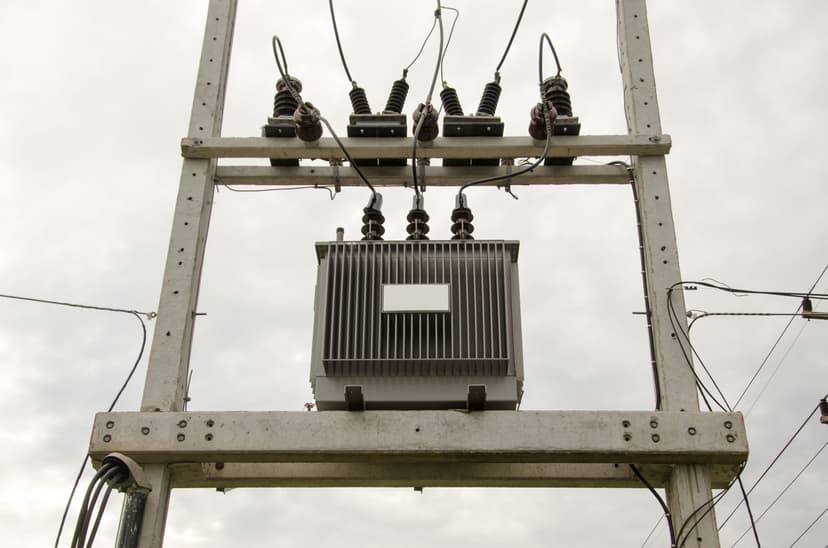
You see these everywhere. They are mounted on poles in residential streets, sitting on concrete pads in neighbourhoods, or tucked away near industrial feeders and local substations. Whether it is powering homes in suburban Sydney or factories in Gujarat, distribution transformer manufacturers design these units to be compact, reliable, and easy to maintain at scale.
Design Focus: Energy Efficiency, Reliability, and Continuous Operation
Unlike power transformers, distribution transformers experience fluctuating loads throughout the day. Electricity demand varies by time of day and shifts with seasonal usage patterns. Since transformers run all the time - even when demand is low - energy losses during standby operation add up over time.
Units like distribution transformers in Australia are often built to withstand extreme heat, UV exposure, and coastal salt air, while models for India might prioritize dust protection and monsoon resilience.
Power Transformer vs. Distribution Transformer: Core Technical Differences
| Feature | Power Transformer | Distribution Transformer |
|---|---|---|
| Voltage Levels | Very high voltage (66 kV and above) | Medium to low voltage (Up to 33 kV) |
| Power Rating | High MVA ratings | Lower kVA ratings |
| Load Pattern | Operates near full load; can be switched off during maintenance or low demand | Runs 24/7 continuously; load fluctuates heavily |
| Efficiency Focus | Peak efficiency at full load | High all-day efficiency |
| Loss Consideration | Copper loss is dominant | Core loss is more critical |
| Cooling Methods | ONAN, ONAF, OFAF | Mostly ONAN |
| Size and Weight | Large and heavy; requires special transport and installation | Compact and lighter |
| Installation Location | Transmission substations | Exposed to environment and public areas |
This table captures why these transformers are engineered differently and why they cannot be used interchangeably.

